
Microsite Initiative
Hensel Phelps Construction CO.
Role: Senior UI/UX Designer & Front End Developer
About The Project
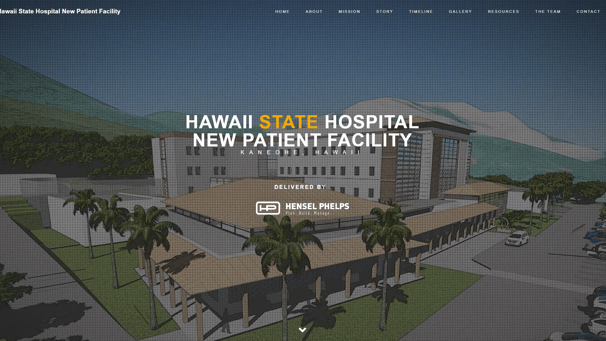
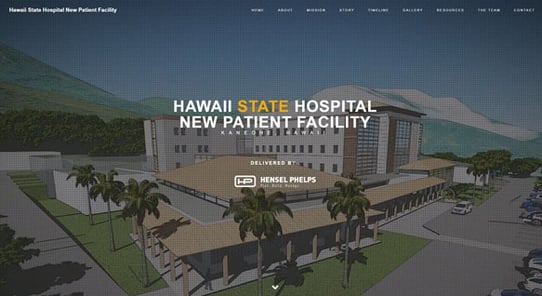
The Microsite Initiative at Hensel Phelps involved developing a WordPress multi-site platform on Azure with custom PHP templates to provide unique, self-managed web presences for globally dispersed job sites. This project aimed to enhance communication and visibility for job site updates, traffic impacts, project milestones, and community engagement. By creating tailored microsites, each job site could independently manage content while maintaining a cohesive overall brand presence. The initiative streamlined content management processes, improved user access to pertinent information, and provided a scalable solution to meet the extensive needs of Hensel Phelps' diverse and widespread projects.
Design Process


Initial Research
We began each microsite project with comprehensive initial research, meeting with each job site to understand their specific content needs. This included identifying the types of content required, such as timelines, photos, job site video feeds, community impact statements, contact forms, project information, and team details. This phase was crucial for gathering all necessary information to ensure that the microsite would effectively communicate the project's details and progress to stakeholders and the community.


The primary stakeholders in these projects included the job site teams, project managers, and project owners. We collaborated closely with these groups to ensure that the microsite met their needs and expectations. By involving stakeholders from the beginning, we ensured that the final product would be well-received and useful. Regular meetings and feedback sessions were held to maintain alignment with the stakeholders' objectives.
Stakeholders
Tools & Methods
WordPress Multi-Site Platform: Enabled the creation of self-managed microsites for each job site, providing a scalable and consistent framework.
Custom PHP Templates: Developed to meet specific content needs and to ensure a cohesive brand presence across all microsites.
Adobe XD and Figma: Used for wireframing and prototyping, allowing for a visual representation of the site layout and functionality before development.
Initial Data Collection: Involved gathering all necessary content and setting it up on the site, followed by a review session with the project team and owner to ensure satisfaction.
Training Sessions: Conducted with the job site teams to teach them how to update and manage content through the WordPress admin dashboard.
Service Now: Provided ongoing support and issue resolution through a ticketing system, ensuring that any problems or updates were addressed promptly.


Challenges and Solutions


Technical Challenges
One of the primary technical challenges we faced during the microsite projects was integrating diverse content types within a unified platform while maintaining optimal performance and usability. The job sites required features like video feeds, high-resolution images, dynamic timelines, and interactive forms, which demanded robust backend support and efficient front-end rendering.
Another significant challenge was ensuring the scalability and flexibility of the custom PHP templates to accommodate varying content needs across different job sites. Each site had unique requirements, and the templates needed to be adaptable without compromising the overall design consistency.
We also encountered difficulties in maintaining data integrity and security, particularly with sensitive information related to community impact and project details. Ensuring that the WordPress multi-site platform was secure against potential vulnerabilities was paramount.
To address these challenges, we implemented the following solutions:
Developed modular and scalable PHP templates to allow for easy customization.
Utilized caching mechanisms and content delivery networks (CDNs) to improve performance and load times for media-rich pages.
Conducted thorough security audits and implemented best practices for data protection, including regular updates and patches to the WordPress platform.
Leveraged responsive design principles to ensure that all microsites were fully functional and visually appealing across different devices and screen sizes.
User Adoption Strategies
Ensuring high user adoption was crucial for the success of the microsite initiative. To achieve this, we focused on several key strategies:
Stakeholder Involvement: Involving job site teams and project owners from the outset helped in tailoring the microsites to their specific needs, fostering a sense of ownership and commitment to the new platform.
User Training: Conducted comprehensive training sessions for the job site teams to familiarize them with the WordPress admin dashboard. These sessions included hands-on tutorials and step-by-step guides for updating and managing content.
Support System: Established a robust support system through Service Now, allowing users to submit tickets for any issues or assistance needed. This ensured that help was readily available, reducing frustration and enhancing user confidence.
Feedback Mechanisms: Implemented mechanisms for continuous feedback, enabling users to report bugs, suggest improvements, and share their experiences. This iterative approach helped in refining the microsites and addressing user concerns promptly.
Clear Documentation: Provided detailed documentation and user manuals to guide users through the various features and functionalities of the microsites, making it easier for them to navigate and utilize the platform effectively.
By addressing technical challenges with robust solutions and implementing comprehensive user adoption strategies, we ensured the successful deployment and widespread use of the microsites across Hensel Phelps' job sites.
Outcomes and Metrics
The Microsite Initiative at Hensel Phelps resulted in several significant outcomes that enhanced the company's communication, visibility, and operational efficiency across its various job sites.
Firstly, the creation of tailored, self-managed microsites allowed each job site to independently manage and update their content, leading to improved real-time communication and transparency. This autonomy enabled job sites to promptly share updates, traffic impacts, project milestones, and community engagement efforts, ensuring that stakeholders and the public were always informed with the latest information.
The user-friendly design and comprehensive training sessions contributed to high user adoption rates, with job site teams quickly becoming proficient in managing their microsites. The intuitive WordPress admin dashboard, combined with the detailed documentation and ongoing support, empowered users to maintain and update their sites efficiently, reducing the reliance on central IT resources.
The implementation of modular and scalable PHP templates ensured that the microsites were adaptable to the unique needs of each job site without compromising on design consistency. This flexibility allowed for a cohesive brand presence across all microsites, enhancing the overall corporate identity of Hensel Phelps.
Furthermore, the integration of responsive design principles ensured that all microsites were fully functional and visually appealing across various devices and screen sizes. This accessibility improvement broadened the reach of the microsites, making it easier for users to access important information on-the-go.
The initiative also resulted in a more streamlined content management process, reducing the time and effort required to update and maintain job site information. This efficiency gain allowed project teams to focus more on their core responsibilities, ultimately contributing to higher productivity and better project outcomes.
Overall, the Microsite Initiative significantly improved Hensel Phelps' ability to manage and disseminate information across its job sites, leading to enhanced stakeholder engagement, improved operational efficiency, and a stronger corporate brand presence.
Ongoing Development
After the initial deployment of each job site microsite, my role extended into providing ongoing support and ensuring the smooth operation and maintenance of these platforms. This ongoing development phase was crucial for addressing any issues that arose and for continuously enhancing the user experience.
Continuous Support
I offered comprehensive support to each job site team, assisting with various content-related issues, server problems, and WordPress errors. This included troubleshooting and resolving problems such as broken links, incorrect data displays, and media upload errors. By promptly addressing these issues, I ensured that the microsites remained functional and up-to-date.
Server and Performance Management
To maintain optimal performance, I monitored server health and resolved any server-related issues that could impact the microsites' accessibility and speed. This involved coordinating with the hosting provider to address downtime, implementing caching solutions to improve load times, and ensuring that server resources were adequately allocated to handle the microsites' demands.
WordPress Maintenance
Regular WordPress maintenance was a key aspect of the ongoing development phase. This included updating the WordPress core, themes, and plugins to their latest versions to ensure security and functionality. I also conducted periodic security audits to identify and mitigate potential vulnerabilities, safeguarding the microsites against threats.
User Training and Documentation
To empower the job site teams to manage their content effectively, I provided additional training sessions as needed. These sessions were designed to refresh their knowledge and introduce any new features or updates. I also updated the documentation to reflect the latest changes and provided step-by-step guides to help users navigate new functionalities.
Support Ticket System
A structured support ticket system, managed through Service Now, allowed job site teams to report issues and request assistance efficiently. This system ensured that all queries were tracked and resolved in a timely manner. It also provided valuable insights into common issues, enabling me to proactively address recurring problems and improve the overall user experience.
Enhancements and Updates
Based on user feedback and evolving project needs, I continuously worked on enhancements and updates for the microsites. This included adding new features, improving existing functionalities, and optimizing the user interface. By staying responsive to user needs and industry trends, I ensured that the microsites remained relevant and effective communication tools.
Overall, my commitment to ongoing development and support played a vital role in the success of the microsite initiative, ensuring that each job site could manage their content seamlessly and maintain an engaging online presence.
Thanks for scrolling all the way down here! I hope you enjoyed exploring my portfolio as much as I enjoyed creating it. If you’re impressed, let's chat and bring some amazing projects to life. If not, I promise my designs look better with a cup of coffee in hand. Cheers!
© 2024. All rights reserved.

